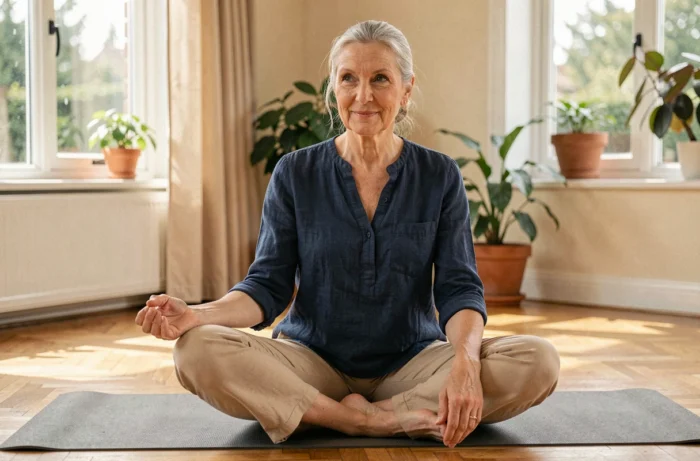
Ageing well after 60 depends on a range of daily habits that directly affect physical health, cognitive abilities and the ability to remain independent. The goal is not simply to live longer, but to preserve the ability to carry out everyday activities for as long as possible by addressing risk factors before they lead to frailty.
Fall prevention after 60: an underestimated risk on the rise
Falls are one of the leading causes of hospitalisation and loss of independence among older people. A study published in the European Journal of Public Health reports an increase in hospitalisation and mortality rates related to falls between 2019 and 2024, even after adjusting for population ageing.
The data show differences by sex: hospitalisations are more common among women, while mortality remains higher among men. There are also seasonal and regional variations, suggesting that living conditions and the environment play a direct role.
Reducing this risk starts with building strength and improving balance. Activities such as daily walking, tai chi and proprioception exercises lower the likelihood of falling. Home adaptations also matter: remove slippery rugs, install grab bars in the bathroom and ensure hallways are well lit. For more information, France Médicale’s advice for older adults covers several prevention strategies tailored to different needs.
Identifying frailty: act before independence is lost
Prevention is more effective when it does not wait for an accident or diagnosis before taking action. The law of 8 April 2024 gives home-based autonomy services a role in identifying signs of frailty. In practice, someone who supports a person in their daily life may spot early warning signs such as difficulty standing up, repeated forgetfulness, loss of appetite or increasing isolation.
Identifying these signs makes it possible to arrange a medical assessment or access support services before the situation worsens. The same law also provides for identifying carers’ needs, as they are often exhausted and receive little support.
Hearing loss: an often-overlooked factor in decline
Hearing loss affects a large proportion of people over 60, yet it often goes undetected. The CNAM points out that failing to screen for hearing loss ultimately comes at a high cost, both in terms of health and public spending. Untreated hearing loss accelerates cognitive decline, contributes to social isolation and increases the risk of falls by impairing spatial awareness.
Regular hearing checks, ideally once a year after 60, can detect gradual hearing loss and ensure hearing aids are fitted in good time.
Nutrition and sleep for older adults: two practical ways to support health every day
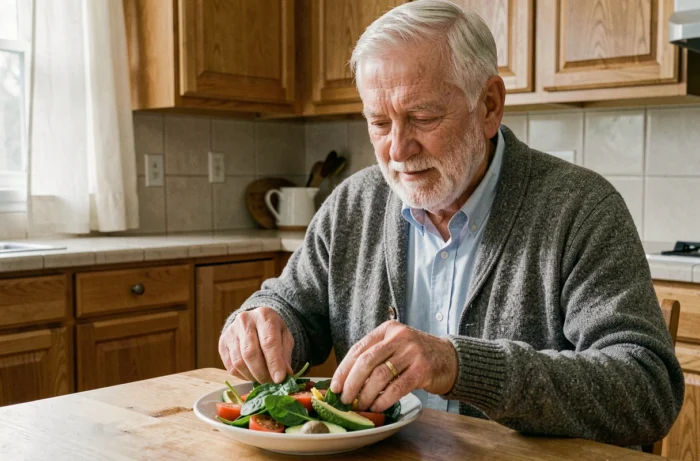
Eating well after 60 is about more than simply having a “balanced diet”. Nutritional needs change: protein intake should be maintained to limit sarcopenia (age-related muscle loss), while overall calorie needs often decrease as physical activity declines.
Here are a few practical guidelines:
- Include a source of protein at every meal (meat, fish, eggs, pulses) to preserve muscle mass
- Stay well hydrated. The sensation of thirst diminishes with age, so drink regularly rather than waiting until you feel thirsty
- Choose foods rich in calcium and vitamin D to support bone strength, alongside regular exposure to sunlight
- Eat smaller, more frequent meals if your appetite declines, adding a protein-rich snack in the afternoon
Sleep is another key factor that is often overlooked. After 60, sleep patterns change: periods of deep sleep become shorter, and night-time awakenings become more frequent. Fragmented sleep worsens daytime fatigue and memory problems.
Keeping a regular schedule, limiting screen time in the evening and avoiding naps longer than twenty minutes are simple adjustments that can improve sleep quality.

Adapted physical activity and social connection: a powerful duo against frailty
Physical activity after 60 is not about performance, but about maintaining everyday function. The aim is to remain able to climb stairs, carry shopping and get up from the floor. Consistency matters more than intensity.
- Brisk walking for thirty minutes a day improves cardiovascular health and bone density
- Strength exercises (even with light weights or body weight alone) help slow sarcopenia
- Balance activities (yoga, tai chi, standing on one leg) directly reduce the risk of falls
Social connection as an essential part of good health
Social isolation accelerates cognitive decline and increases the risk of depression. Regular interaction—through volunteering, community activities or simply meeting neighbours—acts as a measurable protective factor for mental health.
Group activities offer both benefits at once: a gentle group exercise class provides physical activity as well as human connection. Memory workshops and book clubs stimulate cognitive function in a social setting.
Accessing support and coordinating services for older adults in France
Assurance retraite says the departmental public autonomy service aims to make it easier for older people to find and access support. The goal is to bring together processes related to home adaptations, home care and financial assistance, which are often spread across several organisations.
The service is being rolled out differently across departments. For families and carers, the first step is to contact the local social services centre (CCAS) or the departmental autonomy centre, which can direct them to services suited to their circumstances.
Preventing loss of independence relies on simple, accessible steps, but their effectiveness depends on acting early and consistently. A hearing check, a home adaptation or starting physical activity at 62 can have far greater benefits than taking the same steps at 78, after a first fall or a late diagnosis.


