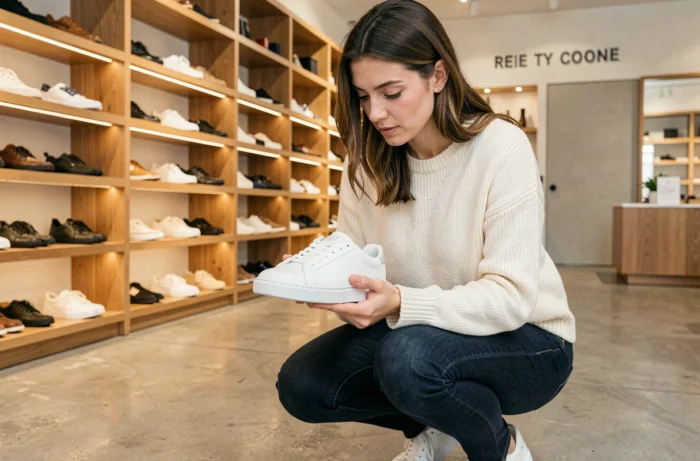
Buying a pair of shoes is no longer just a matter of choosing between two colors on a store shelf. Materials evolve, silhouettes change from season to season, and new criteria—such as repairability and traceability—are becoming part of the decision. Understanding these trends helps you make a purchase that lasts, rather than giving in to an impulse buy you’ll soon regret.
Shoe repairability and second life: an overlooked shopping criterion
Have you ever thrown away a pair of shoes just because the sole was worn out? That habit is costly, both for your wallet and the environment. Before even looking at the style, checking whether a shoe can be resoled can make all the difference.
In France, the Repair Bonus managed by Refashion covers part of the cost of resoling at certified cobblers. In practice, the subsidy is deducted directly from the bill. To qualify, the pair must be made of leather or another material compatible with conventional resoling.
When shopping, a quick check can help you assess whether a pair can be repaired:
- A glued sole with no stitching will be difficult, if not impossible, for a cobbler to replace properly.
- A full-grain leather upper is more suitable for repairs than heat-bonded synthetic fabric.
- Brands that offer in-house reglueing or resoling services often mention this option on the product page.
A study published by the Alliance du Commerce (conducted by PwC Strategy& for DEFI and industry federations) indicates that secondhand shopping and repairs are expected to grow in France by 2030. This trend applies to clothing more broadly, but it is already prompting shoe retailers to rethink their ranges. Browsing Oh my shoe’s shopping selection, you can also spot styles designed to make long-term care easier.
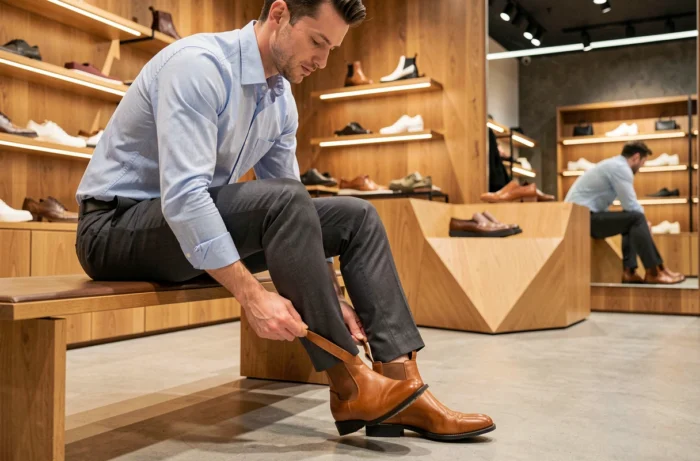
This season’s shoe trends: silhouettes and materials that matter
Runways and shop windows are pointing in a few clear directions. Rather than listing twenty styles, let’s focus on the three silhouettes that keep cropping up and suit a range of lifestyles.
Reimagined retro sneakers
Sneakers inspired by the 1980s and 1990s are still everywhere. Their defining feature this season: soles that are slimmer than the chunky shoes of previous years. Their shape is closer to vintage running shoes, with a low profile that works better with slim-fit trousers or a midi skirt.
When it comes to materials, grained leather and suede are gradually replacing synthetic mesh in premium styles. This choice isn’t just about looks: leather ages better and is easier to clean than technical fabric.
Chunky-soled loafers
Loafers are no longer reserved for preppy wardrobes. Today’s styles feature a lug sole that adds everyday comfort. This type of sole absorbs shocks on pavement better than a thin leather sole.
For an autumn-winter look, a dark brushed-leather loafer works just as well with jeans as it does with dress trousers. It’s a versatile style that justifies a slightly higher price, especially if the sole is stitched on—and therefore replaceable.
Square-toe ankle boots
Square or slightly rounded toes are taking over from pointed toes on ankle boots. The practical benefit is immediate: your toes have more room, reducing friction during long days of walking. Smooth leather styles with a block heel a few centimeters high are dominating current collections.
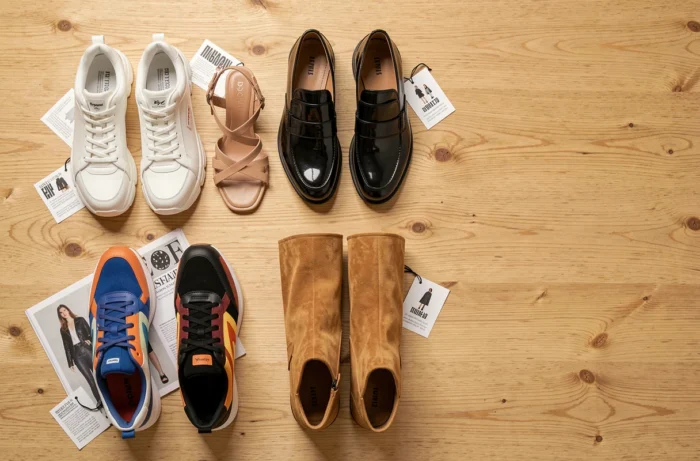
Choosing your ideal pair: the criteria style guides overlook
Fashion advice often focuses on color or the latest trend. A few technical details deserve just as much attention.
Heel support matters just as much as shoe size. A heel counter (the rigid piece at the back of the shoe) that is too soft can cause blisters, even if the shoes are the right size. In store, press the heel counter between your fingers: if it gives easily, it won’t provide enough support after a few weeks.
You can also test sole flexibility by bending the shoe. It should flex at the forefoot—where your foot naturally bends as you walk—not in the middle. A shoe that bends in the middle lacks structure and puts strain on the arch of your foot.
Finally, shoe weight affects comfort over time. Styles with an EVA sole (a lightweight foam used in athletic shoes) are noticeably lighter than those with a solid rubber sole. For everyday city wear, you’ll feel the difference by the end of the day.
European regulations and the digital product passport: what’s changing for shoe shopping
The European Union is preparing the ESPR (Ecodesign for Sustainable Products Regulation), which provides for the introduction of a digital product passport, including for shoes. Accessible via a QR code or NFC chip, this passport will bring together information about a product’s composition, durability and manufacturing conditions.
For consumers, this means that scanning a pair in store will make it possible to compare two styles objectively on environmental criteria. Brands will also have to calculate their footprint using harmonized methods (the PEFCRs, or Product Environmental Footprint Category Rules, applied to clothing and footwear).
This transparency will change the competitive landscape. Brands already investing in traceable materials and repairable construction will be better positioned. For everyday shopping, getting into the habit of scanning before you buy could become as natural as reading a food label.
Shoe trends are no longer just about shapes and colors. A pair’s durability, repairability and, soon, its digital product passport all factor into the decision. Keeping these criteria in mind when you shop next will help ensure your ideal pair stays ideal for far more than one season.


