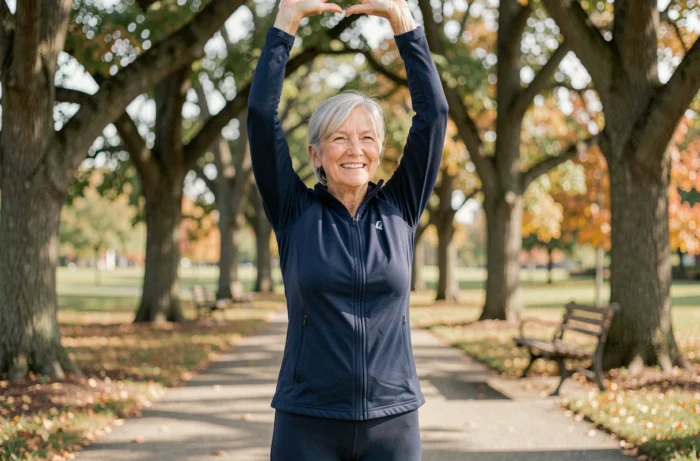
Healthy ageing after 60 depends on measurable factors: muscle strength, sleep quality, how often you have medical check-ups, and vaccination coverage. Each of these indicators changes differently depending on your daily habits. This article compares the main health prevention strategies for older adults and looks at which ones have the greatest impact on maintaining independence.
Vaccination after 65: an underestimated prevention strategy
Competing articles devote plenty of attention to diet and exercise, but seasonal vaccination rarely features in their recommendations. Yet the French National Health Insurance Fund recommends flu and Covid-19 vaccination for people aged 65 and over. Both vaccines can be given at the same appointment, at different injection sites.
Flu can lead to a loss of independence or a worsening of a chronic condition in older adults. This link between seasonal infection and dependency makes vaccination an important part of an overall prevention strategy, alongside physical activity and nutritional monitoring.
One practical point to remember: a healthcare professional can vaccinate someone at their practice or at home. For people who have difficulty getting around, this option makes prevention more accessible.
However, eligibility for coverage of the flu vaccine does not automatically apply to every long-term condition: it is limited to certain chronic illnesses and specific conditions. Among health tips for seniors, checking your vaccination eligibility with your GP remains a priority.
Physical activity and strength training: comparing suitable options
Not all physical activities have the same effects after 60. The table below compares the most common options based on their impact on three key areas: balance, muscle strength and cardiovascular health.
| Activity | Balance | Strength training | Cardiovascular health |
|---|---|---|---|
| Walking | Moderate | Low | Good |
| Yoga | High | Moderate | Low |
| Swimming | Low | Good | High |
| Light weight training | Moderate | High | Low |
| Cycling (including stationary bikes) | Low | Moderate | High |
Walking is still the most accessible activity, but it does little to build muscle. Combining two complementary activities addresses all three areas more effectively than doing just one every day. For example, pairing walking with light weight training makes up for walking’s limited impact on muscle strength and weight training’s low cardiovascular impact.
Yoga stands out for its benefits to balance, a skill directly linked to fall prevention. For people with joint pain, swimming is gentle on the joints while providing a full-body workout.
Sedentary behaviour and physical activity: an important distinction
The Centre-Val de Loire Regional Health Agency points out that physical activity and sport are not the same thing. Climbing stairs, gardening or walking to do the shopping all count as everyday physical activity. These movements already help combat sedentary behaviour, even without a structured exercise session.
Diet and sleep: two measurable pillars of quality of life
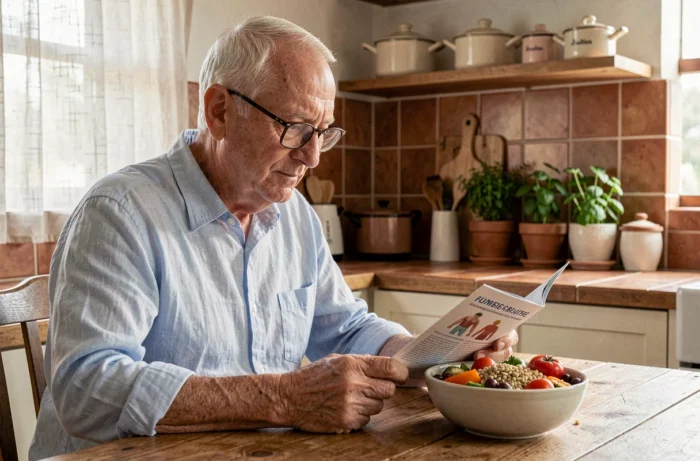
Eating well after 60 is about more than just eating fruit and vegetables. Two factors matter more than the number of portions you eat each day:
- Protein intake, which directly affects the maintenance of muscle mass. Spreading protein across all three meals, rather than eating it only at lunch, helps the body absorb it.
- Regular hydration, since the sensation of thirst diminishes with age, increasing the risk of dehydration without the person realising it.
- The quality of the fats you eat: choosing vegetable oils and oily fish can help prevent cardiovascular disease.
Sleep is another measurable factor. Sleep duration tends to decrease after 60, but it is fragmentation that causes the most problems. Sleep interrupted by several night-time awakenings reduces the amount of deep, restorative sleep that consolidates memory and regenerates muscle tissue.
A few practical habits can improve sleep quality: keep a regular bedtime, avoid screens for an hour before bed, and avoid heavy meals in the evening. These changes can produce measurable results within a few weeks.
Regular medical check-ups and screening: what health assessments can reveal
Medical care after 60 is not just about seeing a doctor when symptoms appear. Preventive check-ups can detect conditions at a stage when they can still be treated without major intervention.
- Blood pressure checks, a key indicator of cardiovascular risk, are best carried out several times a year.
- Lipid tests (cholesterol and triglycerides) and blood glucose tests can help guide dietary changes.
- Organised screening programmes (for colorectal and breast cancer) are directly relevant to this age group and are covered by health insurance.
- Regular hearing and vision checks can help prevent the social isolation associated with sensory loss.
The ICOPE programme, mentioned by the French Pension Insurance Fund, offers a comprehensive assessment of physical, mental and cognitive abilities. It provides personalised advice to help people remain independent for as long as possible.
Social connections and cognitive function
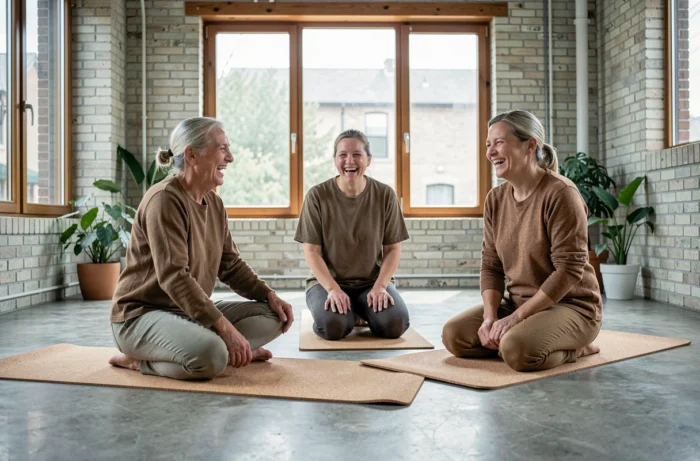
Prevention is not just about the body. Maintaining an active social life protects cognitive function and reduces the risk of depression. Taking part in group activities (workshops, clubs and volunteering) stimulates memory and concentration, and fosters a sense of purpose.
The evidence points to one clear conclusion: social isolation accelerates cognitive decline just as sedentary behaviour accelerates physical decline. Addressing both at the same time has a cumulative effect that neither can achieve alone.


