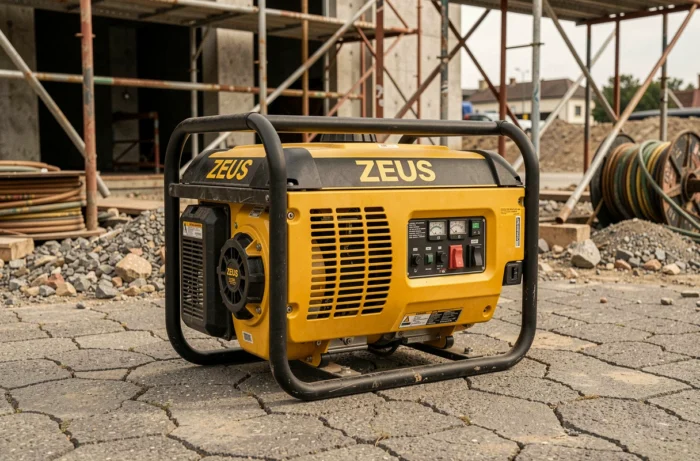
Petrol generators are becoming increasingly common in homes and on work sites, driven by more frequent power cuts and the need for self-sufficiency in remote locations.
Among the models sold on French marketplaces, the Zeus generator (sometimes spelled Zeuz) stands out for its specifications: a petrol engine, electric start and supposedly quiet operation. Before treating it as the all-purpose solution its slogan promises, it’s worth asking a few questions—starting with where you actually plan to run it.
Outdoor placement and safety: the prerequisite the product listing doesn’t explain
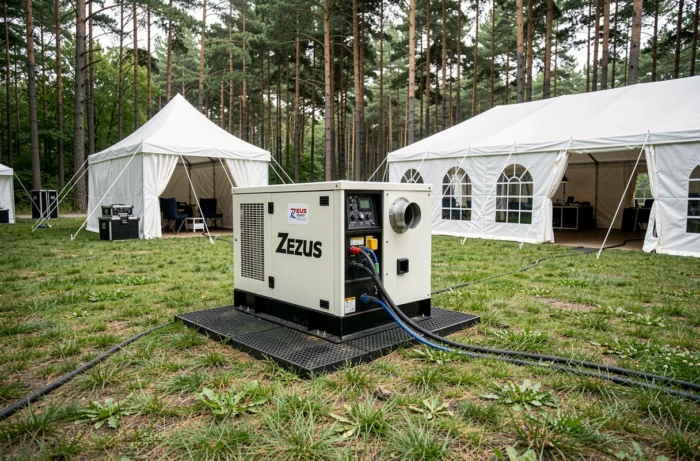
A petrol generator produces carbon monoxide. The rule is clear: a generator must never be operated in an enclosed space, whether that’s a garage, cellar, basement or even a poorly ventilated garden shed.
In practice, this means the unit must be set up outdoors, a safe distance from doors, windows and air vents. In a suburban home with a small garden just a few square metres in size, this is no minor consideration. Neighbours are also part of the equation: even a model described as quiet produces noticeable noise, especially at night, when a power cut can make running it tempting.
Before buying, ask yourself a simple question: do you have an outdoor space where the generator can run without exposing anyone to exhaust fumes or disturbing the neighbours? If you’re unsure, it’s worth reconsidering the investment, whatever the brand.
Generator power and sizing for the Zeus
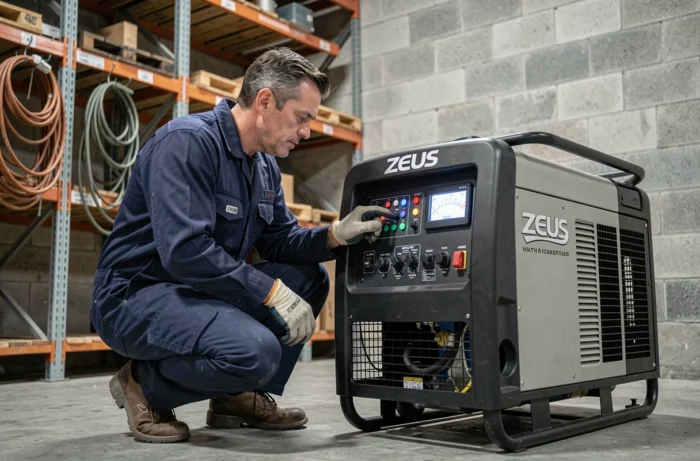
The Zeus specifications list 6000 W maximum output and 5500 W continuous output. This distinction is crucial. Maximum output refers to brief peaks, typically the surge in current when a refrigerator or pump starts up. Continuous output, on the other hand, is what the generator can supply steadily over time.
Simply listing the appliances you want to power isn’t enough. You need to add up their rated power, then check that the combined starting current does not exceed the maximum output. A refrigerator, a freezer and a few lights should be within the limit. Add a portable electric heater or a hot water tank, and the total load could become excessive.
The 25-litre tank gives you an indication of runtime, but this depends directly on the actual load. At half load, a petrol engine in this class uses less fuel than at full power, extending the time between refills. Conversely, running the generator at maximum capacity significantly reduces runtime and accelerates mechanical wear.
The AVR regulator: an often-overlooked feature
The Zeus includes an automatic voltage regulator (AVR). This component stabilises the output voltage to protect sensitive electronic devices such as computers, internet routers and televisions. Without an AVR, voltage fluctuations caused by changes in load can damage this equipment. It’s an important factor to consider when comparing the Zeus with other models in the same price range.
Among petrol generators in this category, the Zeus generator sits in the mid-range segment, where electric start and an AVR are not standard features on every similarly priced competitor.
Electrical connection: what the law requires
Connecting a generator directly to a household wall socket is dangerous and illegal. The electricity it produces could feed back into the public grid and electrocute a technician working on the power line.
To power a home’s electrical system from a generator, a transfer switch must be installed in the electrical panel by a qualified professional. This device disconnects the home from the grid before feeding generator power into the household circuit.
- A manual transfer switch requires you to operate a switch yourself when the power comes back on, making it suitable for occasional outages.
- An automatic transfer switch detects a loss of grid voltage and switches over without intervention, making it suitable when an uninterrupted power supply is critical.
- An electrician’s installation costs are in addition to the price of the generator and should be included in your budget from the outset.
Without this equipment, the Zeus can only be used to power individual appliances plugged into its outlets, using extension leads rated for the load.
Refuelling and maintenance: the day-to-day requirements
A petrol generator requires strict refuelling procedures. The engine must be switched off and allowed to cool before adding fuel. Petrol is volatile, so filling the tank while the engine is hot creates a fire risk. Spare fuel must be stored in an approved container, away from any heat source.
Regular maintenance is essential to prolong the generator’s life. Changing the oil, replacing the air filter and checking the spark plug are tasks an experienced DIYer can handle, but they need to be scheduled. A generator left unused for several months may be difficult to start if the fuel hasn’t been drained or stabilised.
- Change the oil after the first few hours of operation, then at regular intervals in line with the manufacturer’s recommendations.
- Drain the tank and carburettor before storing the generator for an extended period to prevent deposits from building up.
- Check the spark plug and air filter before each season of intensive use.
Warranty and after-sales service
Warranty periods and the availability of spare parts vary by retailer. For a product sold mainly online, it’s a basic precaution to check that you can contact an after-sales service team in France and order wear parts such as spark plugs, filters and drain plugs before buying.
The Zeus meets a genuine need for electrical independence, provided you follow safety requirements that its product listing barely mentions. Outdoor placement, correct load sizing, connection through a transfer switch and safe refuelling procedures are not optional: they are essential to operating the generator without endangering users or those around them.


